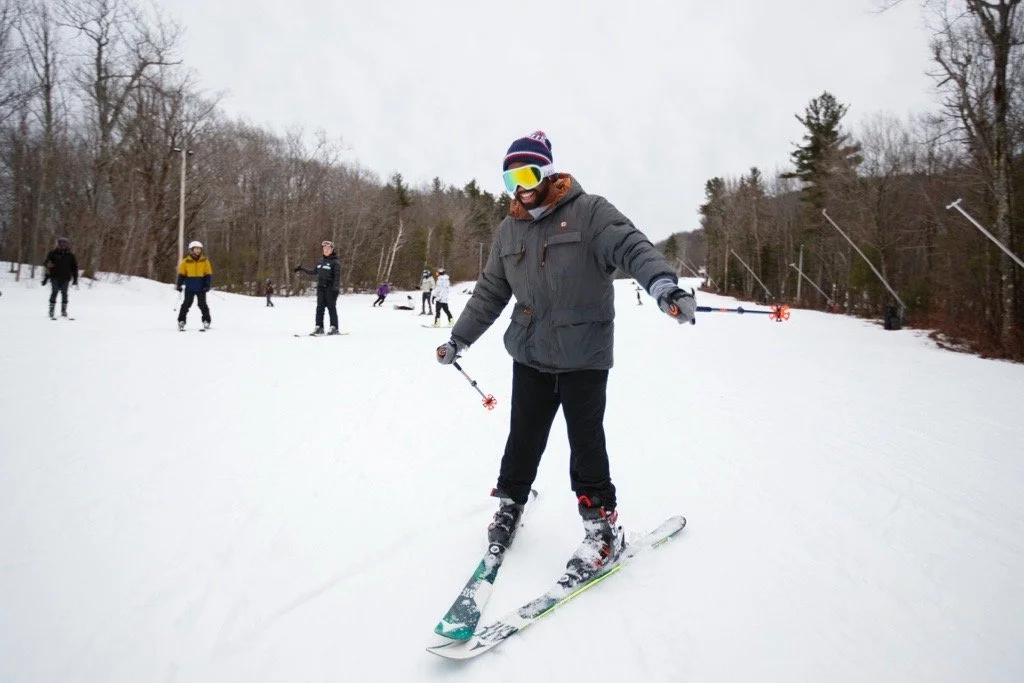
BHM - Black History Is Outdoor History
When people think about Black History Month, the outdoors rarely comes to mind. History is often framed in cities, courtrooms, churches, and classrooms—less often on rivers, wetlands, trails, and mountaintops. But the truth is simple: Black people have always been outside—moving through landscapes for survival, freedom, work, science, and joy.
This month is a chance to honor people whose stories complicate the usual narrative of “who belongs” outdoors—because many of them didn’t just participate in outdoor spaces. They helped shape them, protect them, and open them up for others.
Here are a few figures and organizations whose legacies connect directly to outdoor recreation, environmental stewardship, and equity.
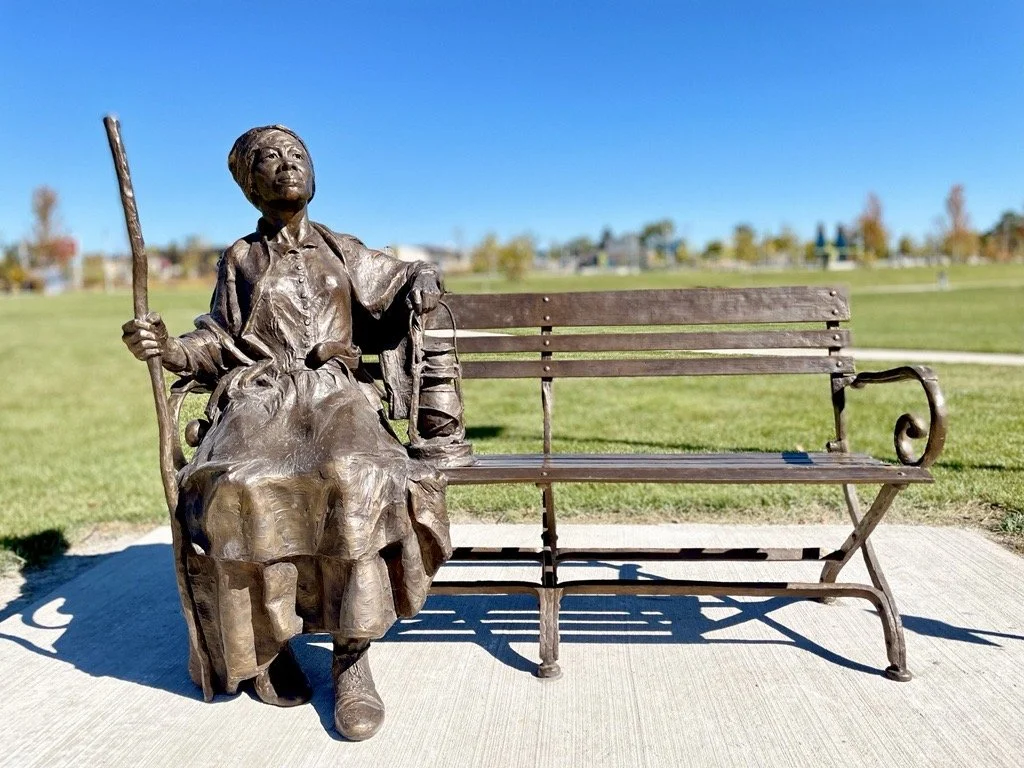
Harriet Tubman
Nature as Survival, Strategy, and Freedom
Harriet Tubman is best known as the Underground Railroad’s most famous “conductor,” guiding enslaved people to freedom before the Civil War. The landscapes she moved through—wetlands, woods, and rural terrain—weren’t just background scenery; they were part of the route, the cover, and the strategy. The National Park Service explicitly frames her story through the landscapes that helped carry her and others away from slavery.
Many historians and educators also highlight Tubman’s deep knowledge of the natural world, including using terrain and animal calls as part of covert travel and communication.
Further reading / sources
Steward of the Early National Parks
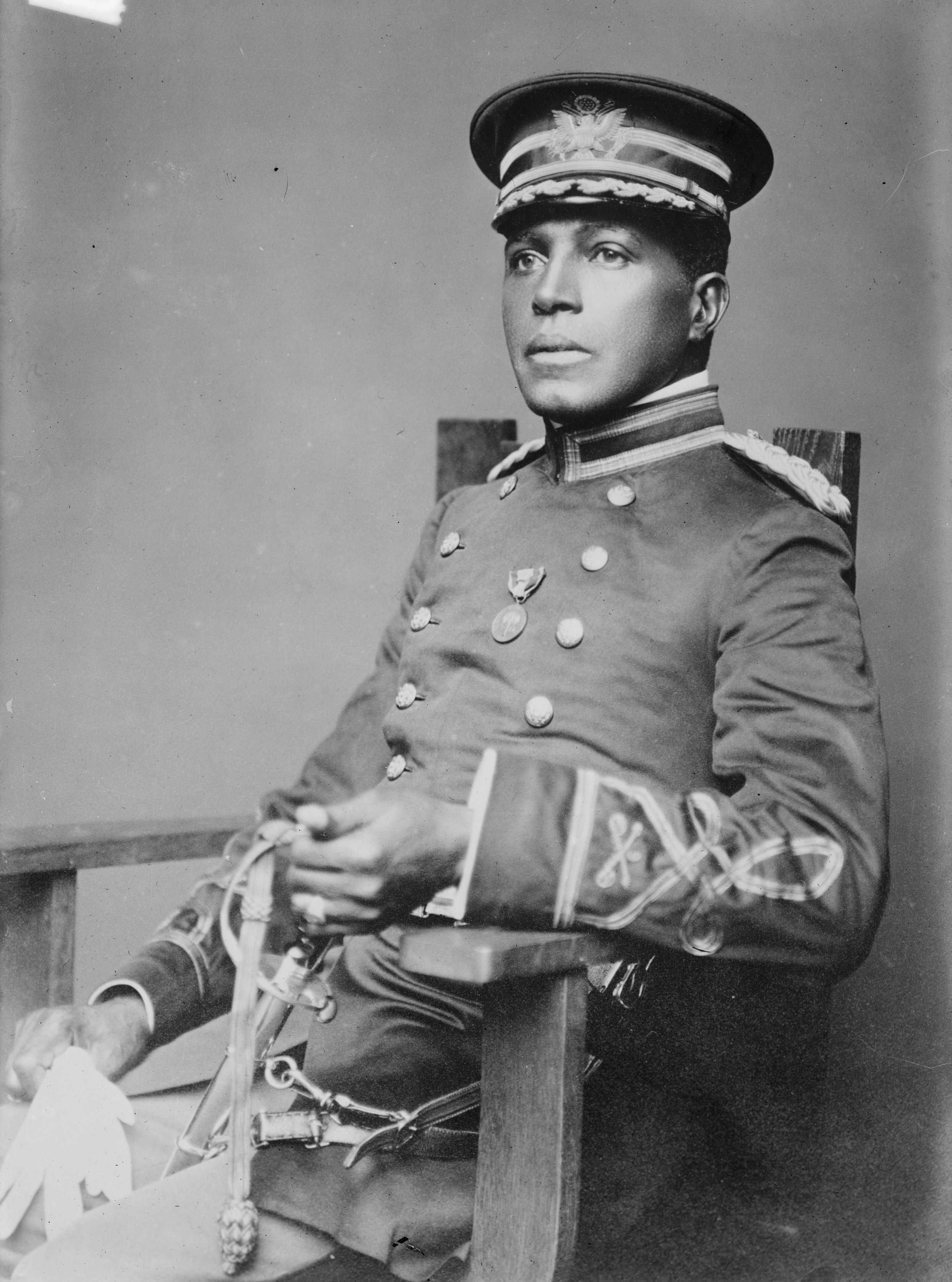
In 1903, Captain Charles Young led troops from an all-Black regiment to what were then Sequoia and General Grant national parks, where he served as acting superintendent for the summer—often cited as the first Black person to hold a superintendent role in the national park system.
Young’s work focused on protection and access—helping build infrastructure and enforce rules meant to prevent illegal grazing and resource damage, while making the parks more reachable for visitors.
Further reading / sources
Exploring —and Erasure
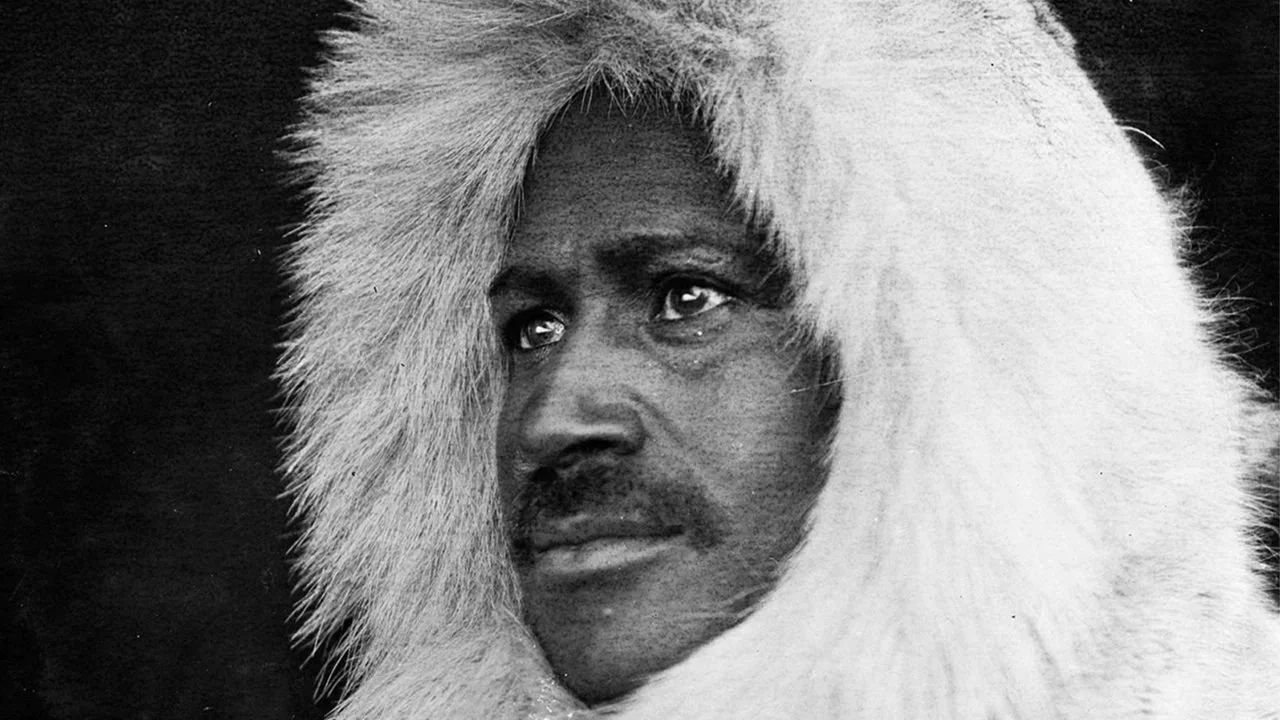
Matthew Henson was a key member of Robert Peary’s Arctic expeditions and was part of the 1908–1909 journey that claimed to have reached the geographic North Pole on April 6, 1909.
It’s important to be accurate here: there has been long-running debate about who arrived first within the party—and even about whether the expedition truly reached the precise geographic pole. Some accounts note that Henson later said he was the first of their group to arrive at the spot they believed was the pole, but historians also point out that evidence for that specific claim is uncertain.
What’s solid and well-supported is that Henson’s expertise—especially his relationships with Inuit communities and his Arctic travel skills—was central to the expedition’s success.
Further reading / sources
Outdoor Afro
Community, Visibility, and Belonging
Outdoor Afro—founded by Rue Mapp as a blog in 2009—has become a nationally recognized organization focused on Black connections and leadership in nature.
Its impact is cultural and practical: Outdoor Afro makes outdoor participation more visible, more social, and often more approachable—especially for people who’ve been made to feel like the outdoors “isn’t for them.”
Further reading / sources
Environmental Responsibility
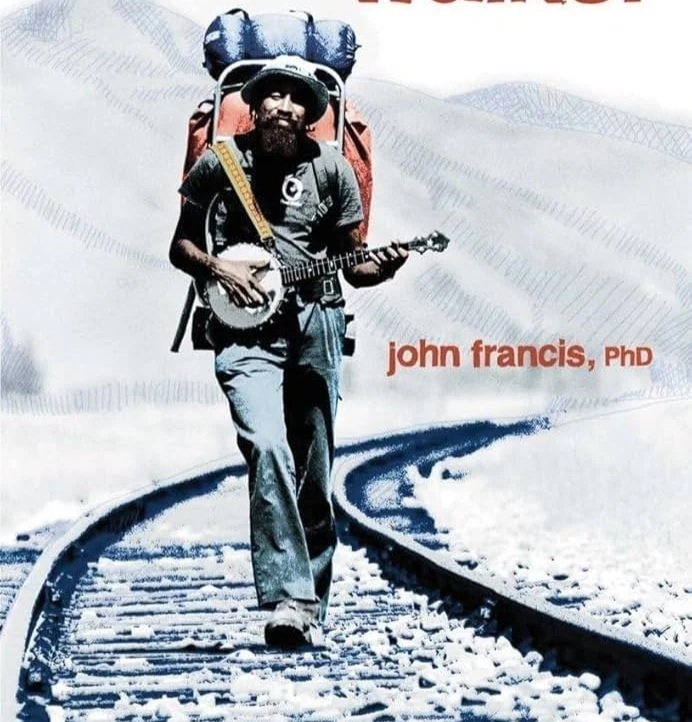
John Francis—often called “the Planetwalker”—is known for spending 22 years traveling without motorized transportation, including 17 years under a vow of silence, after being affected by the 1971 San Francisco Bay oil spill.
His story gets at something a lot of people in the outdoor equity space already understand: environmentalism isn’t just about scenery. It’s about how we live, who bears the costs of pollution, and who gets access to health, safety, and green space.
Further reading / sources
Why this history matters now
Representation isn’t only about seeing yourself in a brand campaign. It’s about knowing you have a lineage. When people feel like they don’t belong outside, it’s often because they’ve never been shown that they always have—as explorers, stewards, strategists, and community builders.
Black History Month is a reminder: our presence in nature isn’t new—it’s ongoing.
And we’re still outside.